
Why Real Weight Capacity Matters for Volume Sourcing
When B2B buyers purchase catering or event furniture in bulk, structural safety is always the top priority. A standard retail table might hold a light family lunch, but commercial environments demand a much tougher standard. Sourcing inventory that lacks a certified heavy duty plastic folding table weight capacity leads to sudden product collapses, safety liabilities, and costly replacement cycles. For rental companies and wholesalers, knowing exactly how much weight a table can safely support is key to protecting your investment.
Many discount factories claim their products are heavy-duty without providing any actual laboratory test data. They use thin steel tubes and low-grade plastics that bow under heavy display items or commercial buffet setups. A true commercial-grade table must comfortably handle a static load of 150kg without showing any signs of stress or frame fatigue. This comprehensive guide breaks down the real engineering and factory testing standards required to achieve maximum load-bearing performance for your global business supply chain.
The Structural Engineering Behind a 150kg Static Load
Achieving a real 150kg weight limit requires a perfect balance between the plastic panel design and the metal sub-frame. It is a common misconception that a thicker plastic top is enough to support heavy loads. In reality, the frame design and leg diameter do most of the heavy lifting. A premium heavy duty plastic folding table relies on a heavy-duty 25mm diameter steel tubing frame to create a solid, unyielding foundation that prevents the table from wobbling or shifting under pressure.
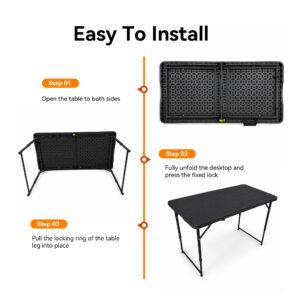
Underneath the deck, the design of the blow-molded panel plays a massive role in weight distribution. High-quality tables feature an integrated honeycomb nesting grid where internal plastic pillars weld directly onto the frame during the molding process. This layout transfers the downward force from the tabletop straight into the steel legs. Combined with specialized hardware like horseshoe-shaped leg buckles and long-axis locking pins, the entire structure locks into place, ensuring the table stays rigid even when loaded to its absolute maximum capacity.
| Specification Parameter | Standard Retail Table | Skyfold Heavy-Duty Commercial Table | Sourcing Impact for Wholesalers |
|---|---|---|---|
| Static Load Limit | 60 kg – 80 kg maximum | 150 kg Certified Load | Handles heavy banquet equipment and commercial displays |
| Steel Tube Diameter | 19 mm – 22 mm thin steel | 25 mm Heavy-Duty Gauge | Prevents leg bending and side-to-side wobbling |
| Frame Metal Coating | Basic single coat spray paint | Acid-wash phosphating + powder coating | Complete rust protection for outdoor use |
| Locking Mechanism | Cheap friction slides | Horseshoe buckle + center safety pins | Eliminates accidental folding or collapsing risks |
How Factories Test Folding Table Load Limits
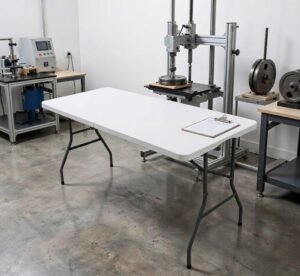
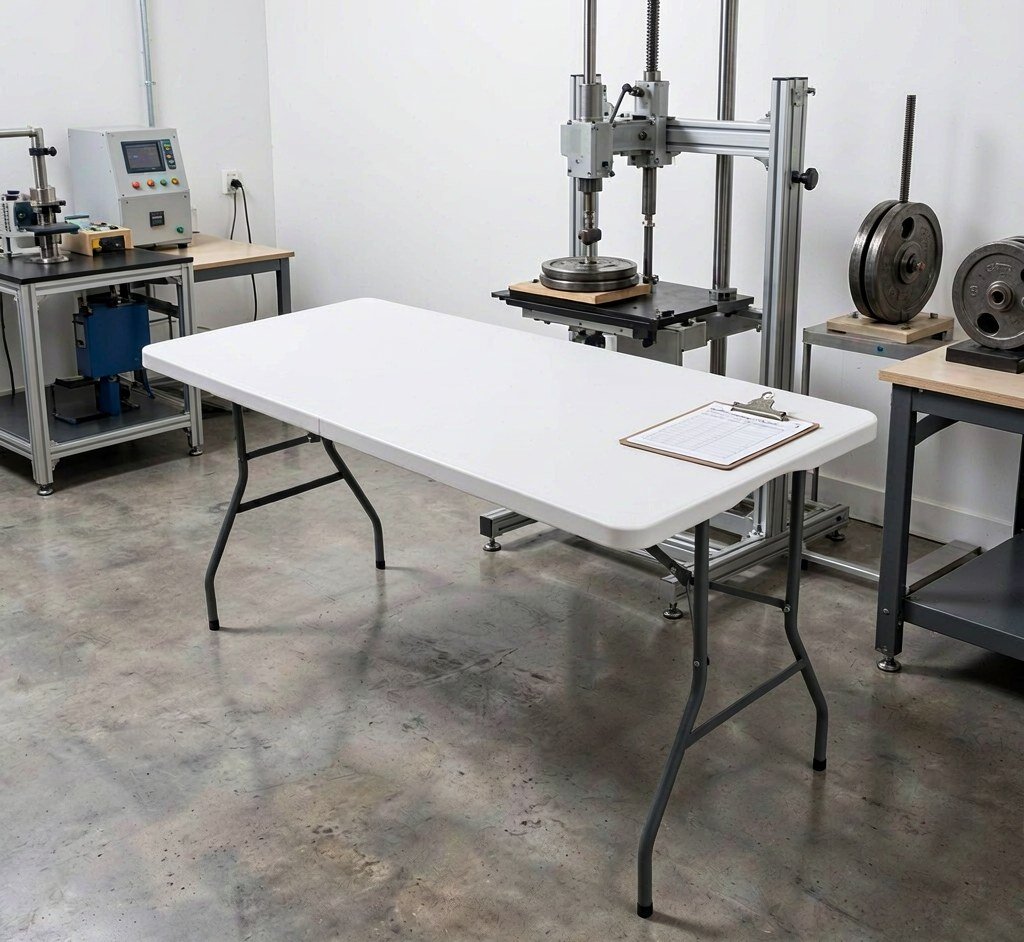
To ensure consistency across large production runs, an experienced hdpe folding table manufacturer must run every batch through strict quality control protocols. The most important evaluation is the static load press test. In the factory lab, automated hydraulic presses apply continuous, balanced weight directly to the center fold line of a standard 6ft plastic folding table. The table must hold the 150kg pressure for 24 straight hours without any structural bending, stress cracks, or frame joint shifting.
In addition to static weight pressing, quality teams perform drop-impact tests to simulate rough handling by transport crews. A fully weighted table is tipped over from a height of one meter onto a concrete floor. This test checks if the 40/60 virgin-to-recycled HDPE blend can absorb sudden shocks without breaking along the corners or pulling the frame screws out of the plastic substrate. Always ask your supplier for these specific QC reports before wiring your deposit to ensure you are buying real commercial quality.
The Role of Material Formulation in Load Support
Material density directly affects how a plastic panel behaves when holding heavy items over a long weekend event. If a factory uses 100% cheap recycled scrap plastic, the tabletop becomes brittle and lacks tensile strength. When subjected to a heavy display load, the internal support grid will snap inside, causing the top surface to sag permanently. This is why understanding the underlying plastic mix is just as critical as checking the metal frame gauge.
Using a premium blend of 40% virgin HDPE and 60% high-grade recycled HDPE creates a composite with excellent impact flexibility and load memory. When the heavy weight is removed after an event, the panel returns to its original flat shape instead of staying warped. This specialized material setup ensures that a high-quality blow molded folding table retains its flat, premium look through years of continuous commercial deployments, giving your rental clients or retail buyers complete peace of mind.
Sub-Frame Processing: The Base for Heavy Loads
A heavy-duty load rating means nothing if the metal frame rusts out and weakens after a few weeks outdoors. The steel structure must be treated to resist moisture and oxidation to keep its strength over time. Industrial-grade manufacturing requires a multi-stage chemical treatment before the final frame paint is applied. The steel tubes undergo a thorough acid wash and phosphating rinse to strip away raw manufacturing oils and rust-causing impurities from the metal surface.
Once cleaned, an electrostatic powder coating is baked onto the steel tubing under high temperatures. This creates a hard, scratch-resistant shield that completely blocks out oxygen and water. This treatment is what allows the table to act as a reliable weatherproof outdoor folding table in coastal resorts, open-air markets, or humid warehouse environments. A properly treated frame preserves the mechanical strength of the folding hinges, ensuring the legs will not bend or snap when loaded with heavy banquet gear.
Procurement Checkpoints for B2B Wholesale Buyers
If you are sourcing container loads for global retail brands or commercial supply houses, you must look closely at the fine details of the factory specifications. Never accept general product descriptions that only list basic lengths and widths. Request exact engineering prints showing the outer panel wall thickness, the tube diameter, and the specific net weight of the table. A genuine heavy-duty 6ft table should have a solid net weight that reflects the quality of its steel and plastic density.
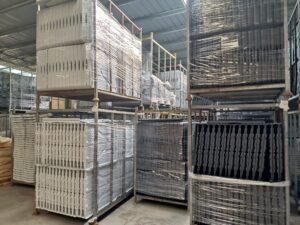
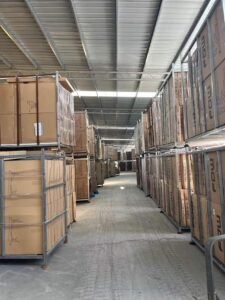
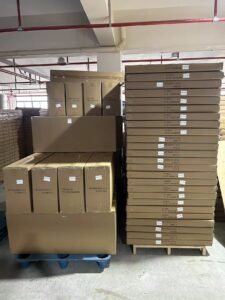
Additionally, check the supplier’s bulk packaging standards to avoid shipping damage claims from your local buyers. High-quality commercial shipments should use a heavy five-layer corrugated carton as their standard ordinary packing method. For e-commerce clients, make sure the factory can upgrade to a certified online packing standard by adding pearl cotton lining and molded corner protectors. Securing these production and shipping specs up front protects your brand image and ensures smooth, low-maintenance sales cycles.
Conclusion: Choosing a Trusted Supply Chain Partner
In the competitive commercial furniture market, cutting corners on material quality or frame engineering always leads to high return rates and lost business. Partnering with an experienced factory that uses transparent material sourcing, advanced blow molding setups, and multi-stage metal finishing is the best way to grow your wholesale operation. Buying verified load-bearing stock saves you money on warranty claims and helps you build a strong reputation for reliability with your commercial clients.
By using this weight capacity guide during your selection process, your sourcing team can easily spot the difference between cheap retail tables and true commercial-grade furniture. Investing in verified performance metrics keeps your supply chain stable, efficient, and highly profitable. Sourcing your inventory correctly means delivering durable, safe, and long-lasting utility that keeps your enterprise clients coming back order after order.