
The Hidden Material Truth Behind Commercial Plastic Furniture
When sourcing commercial furniture for bulk retail or high-frequency event rentals, most buyers focus on frame strength or steel thickness. While the chassis matters, the real longevity of your investment depends heavily on the polymer chemistry of the tabletop. High-Density Polyethylene, or HDPE, is the industry standard for any modern weatherproof outdoor folding table. However, not all HDPE panels are made equal, and choosing the wrong material mix will cause your inventory to crack or yellow under real-world field stress.
Many factories hide low-grade plastic sourcing behind thick coatings or low wholesale price tags. If you buy a batch made from bad raw materials, the tables will split at the edges or lose their structural stiffness during summer heatwaves. Sourcing professionals must look closely at how the plastic is formulated before signing a factory contract. This detailed guide breaks down the critical differences between virgin and recycled polymer blends to help you make a safe, high-ROI procurement choice for your business.
The Science of the Perfect 40/60 Polymer Ratio
In the manufacturing world, using 100% pure virgin HDPE creates a very flexible and durable panel, but it drives up production costs and the final wholesale price significantly. On the flip side, using 100% recycled scrap plastic results in a brittle, heavy tabletop that fails drop tests and breaks easily during transport. The industry sweet spot for high-performance heavy-duty stock requires a calculated combination of both worlds to balance cost and structural integrity.
Through rigorous laboratory stress tests, a leading hdpe folding table manufacturer mixes a precise ratio of 40% premium virgin HDPE with 60% high-grade recycled HDPE. This specific formulation ensures that the polymer chains retain enough flexibility to absorb heavy impacts while keeping the tabletop rigid under large loads. This balanced composite allows volume buyers to secure durable products that easily pass Western environmental import standards and corporate sustainability audits without blowing their purchasing budget.
| Material Properties | 100% Cheap Recycled Mix | Skyfold 40% Virgin / 60% Recycled | Impact on B2B Business |
|---|---|---|---|
| Tensile Flexibility | Very low; snaps easily under sudden cold stress | High; absorbs rough handling and impacts | Lower product damage and return claims |
| Structural Rigidity | Uneven; prone to localized soft spots and sagging | Uniform; maintains flat surface under load | Safer for commercial banquets and heavy display use |
| Long-Term UV Protection | Fades, chalks, and turns brittle quickly | Stays colorfast and chemically stable | Longer inventory lifecycle in rental fleets |
| Eco-Friendly Compliance | Often fails strict chemical import tests | Passes modern Western green procurement standards | Easier customs clearance and brand image approval |
How Anti-UV Additives Stop Polymer Aging
Sunlight is the ultimate enemy of raw plastics left outdoors. Solar ultraviolet radiation slowly destroys the internal chemical bonds of standard polyethylene over time. Without proper chemical stabilization, your stock will undergo photo-degradation, which shows up as surface yellowing, ugly chalking, and micro-cracks along the main fold line. Once this molecular breakdown starts, the table loses its load capacity and becomes a safety liability.
To prevent early material aging, the manufacturing process must inject specialized anti-UV stabilizing compounds directly into the liquid resin before it enters the blow molding machine. This protective compound acts like a continuous shield against intense solar radiation, stabilizing the polymer structure. This manufacturing step allows a commercial blow molded folding table to handle direct desert heat up to 80℃ and freezing winter warehouse storage down to -60℃ without losing its mechanical strength or clean look.
Blow Molding Quality vs. Cheap Material Deceptions
A common trick used by low-cost factories is making the table panel extra thick with low-grade regrind plastic to mimic a heavy-duty product. They build a 4.0mm or 4.5mm wall using dirty scrap materials, which results in an excessively heavy table that remains structurally weak and brittle. True commercial quality comes from advanced parison control during the blow molding cycle, ensuring uniform wall thickness across every single inch of the tabletop surface.
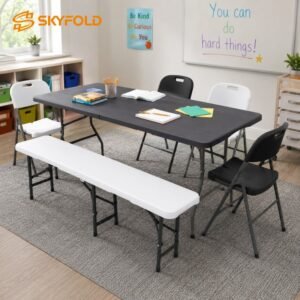
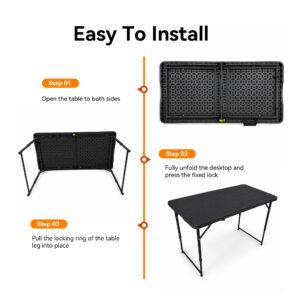
Sourcing a well-engineered heavy duty plastic folding table means checking the internal honeycomb grid layout underneath the deck. When a premium 3.5mm thick panel uses the proper 40/60 virgin-recycled mix, the internal molded support pillars weld together perfectly during production. This creates a solid dual-wall barrier that spreads heavy loads evenly across the frame, outperforming thicker, poorly formulated competitor models in every standard drop test and load-bearing trial.
What Commercial Rental Fleets Need to Verify
If your company manages high-volume inventory for party rentals or wedding venues, your tables will face constant loading, unloading, and rough setup crews. Rental assets are regularly dragged across asphalt, stacked tight in moving trucks, and left in damp fields overnight. For this business model, buying stock made from a weak plastic compound will lead to cracked corners, broken handles, and stripped frame screws within your first operational season.
To protect your capital, always ask your supplier for clear proof of their material composition and weathering test records. Make sure the integrated carrying handle and the horseshoe-shaped leg locks are molded out of the same high-grade compound as the main panel. Investing in a properly formulated product line ensures your rental fleet stays out in the field making money instead of sitting in a repair workshop costing you labor and replacement parts.
Simple Quality Tests for Your QC Inspection Team
You do not need a multi-million dollar chemical lab to verify if your supplier is using a reliable plastic blend during a factory audit. Your quality control team can perform a few simple field tests on random samples before the shipment leaves the warehouse. First, check the cross-section of a cut panel with digital calipers to confirm the wall gauge is consistent between the center fold seam and the outer perimeter edges.
Second, perform a standard structural drop test by tipping a fully weighted 6ft plastic folding table over onto a hard concrete floor from a height of one meter. A table made with an optimized virgin-recycled polymer blend will absorb the shock, leaving only minor surface scuffs. A cheap, brittle table made from poor regrind scrap will split open or shatter along the corner joints immediately. Running these basic tests ensures you only ship top-tier inventory to your local buyers.
Maximizing Your ROI with Reliable Sourcing Standards
Ultimately, saving a couple of dollars on the initial unit price by choosing sub-par plastic materials will cost you much more in long-term claims and lost customers. Partnering with a trusted heavy duty plastic folding table weight capacity manufacturer who values technical transparency is the best way to safeguard your supply chain. Clear material tracking, certified UV additives, and clean molding processes are what keep your brand profitable in a crowded marketplace.
By enforcing these strict material standards during your procurement phase, your business can confidently offer high-durability solutions to commercial clients worldwide. Whether your tables end up at a busy coastal beach resort or a demanding industrial construction site, a scientifically backed HDPE blend delivers the reliable performance your buyers expect. Sourcing your product lines correctly means fewer field failures, minimal maintenance headaches, and better profit margins for your wholesale operation.